
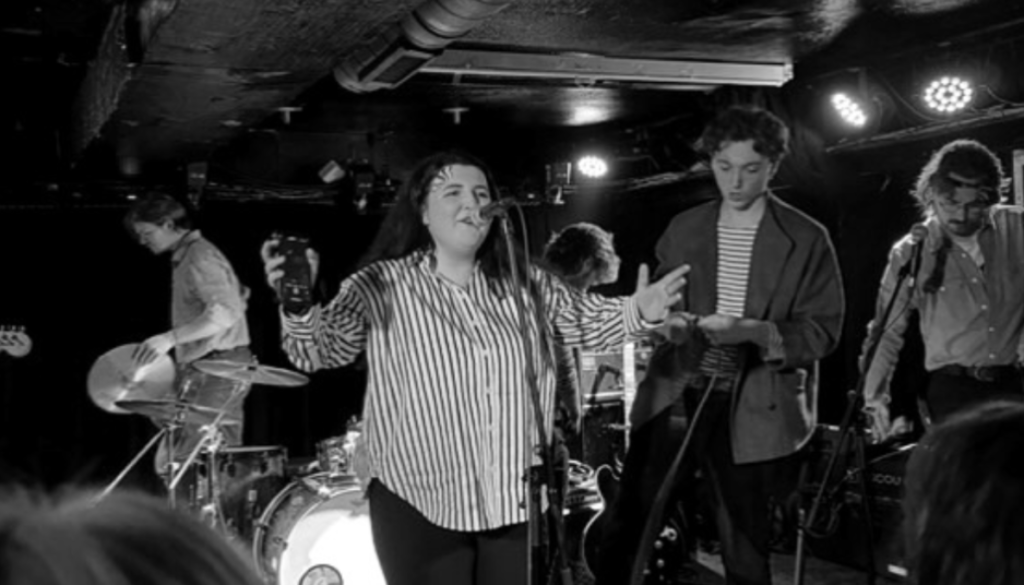
Rare Disease Day, Live Music and Zebra Art: My Journey into Fundraising
What do live music, zebras, face paint and Rare Disease Day have in common? For Sam McBride, they’ve become the ingredients of an annual Rare Disease Day fundraising event.
What started as a small idea during Sam’s MSc in Medical Genetics and Genomics at the University of Glasgow has now become the annual Rare Disease Fundraiser Gig: an evening of local music, creativity, community and fundraising.
How it started
For Rare Disease Day 2025, some of my peers and I organised an international online symposium to bring people together to learn about rare diseases, share experiences and raise awareness.
We also wanted to do something practical to support the rare disease community beyond our academic work, so we organised a fundraising gig alongside the symposium.
I didn’t realise then that this small idea would become something I’d want to repeat every year.
I’ve always enjoyed volunteering, fundraising and organising events, but this fundraiser felt particularly personal. My background in genetics has given me a strong interest in rare diseases and the challenges surrounding diagnosis.
During my postgraduate research, I worked on developing a test for a case of osteoporosis, a rare disease. This introduced me to some of the challenges of rare disease diagnosis, which I have continued to explore through conferences and seminars.
These experiences showed me that improving outcomes isn’t only about developing new tests and treatments; it also requires greater awareness and understanding among healthcare professionals. This is one reason Medics for Rare Disease is an ideal cause to support.
The fundraiser also brings together two other things I love: creativity and music. I enjoy crafting with friends, and I’m involved in music through gig photography and have many friends in bands.
From the idea to the gig
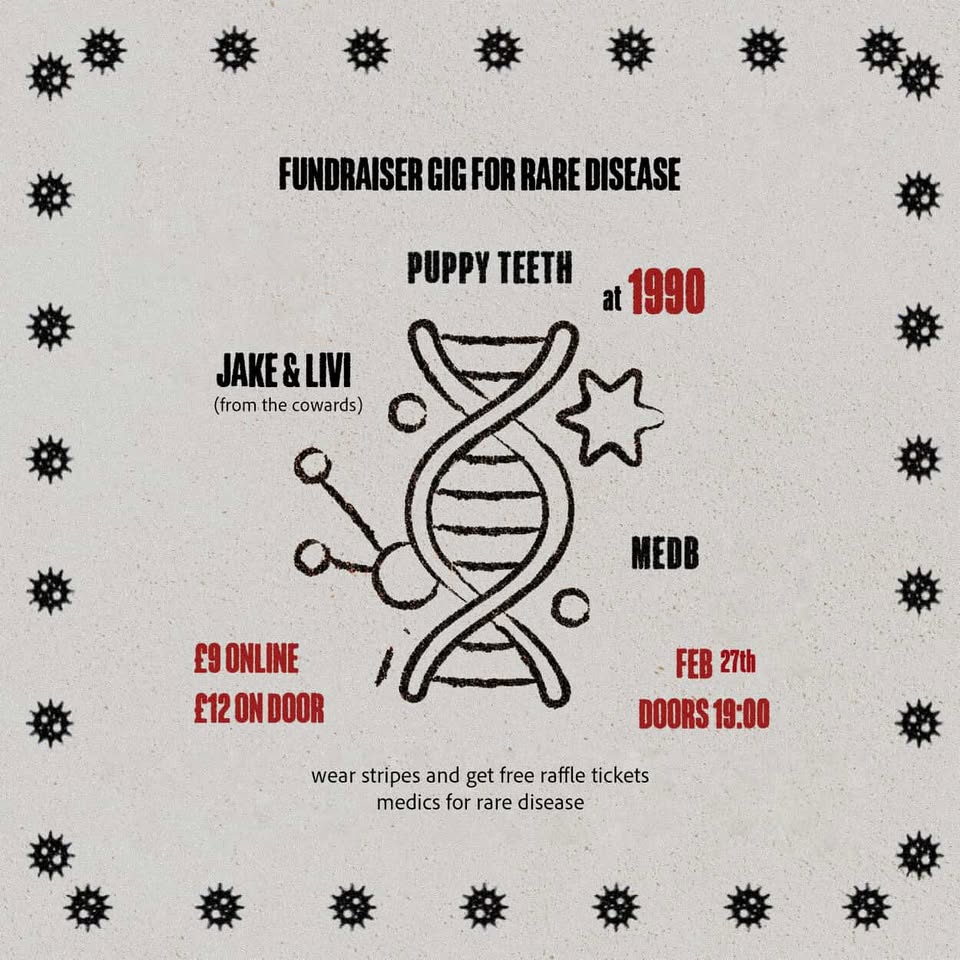
There is much more to putting on a gig than what happens on stage. I contacted bands, worked with the venue, coordinated sound-checks and set times, organised tickets and raffles, and created online promotional content. The posters (designed by Tammy Dyson) were put up around Glasgow, Edinburgh and the surrounding areas.
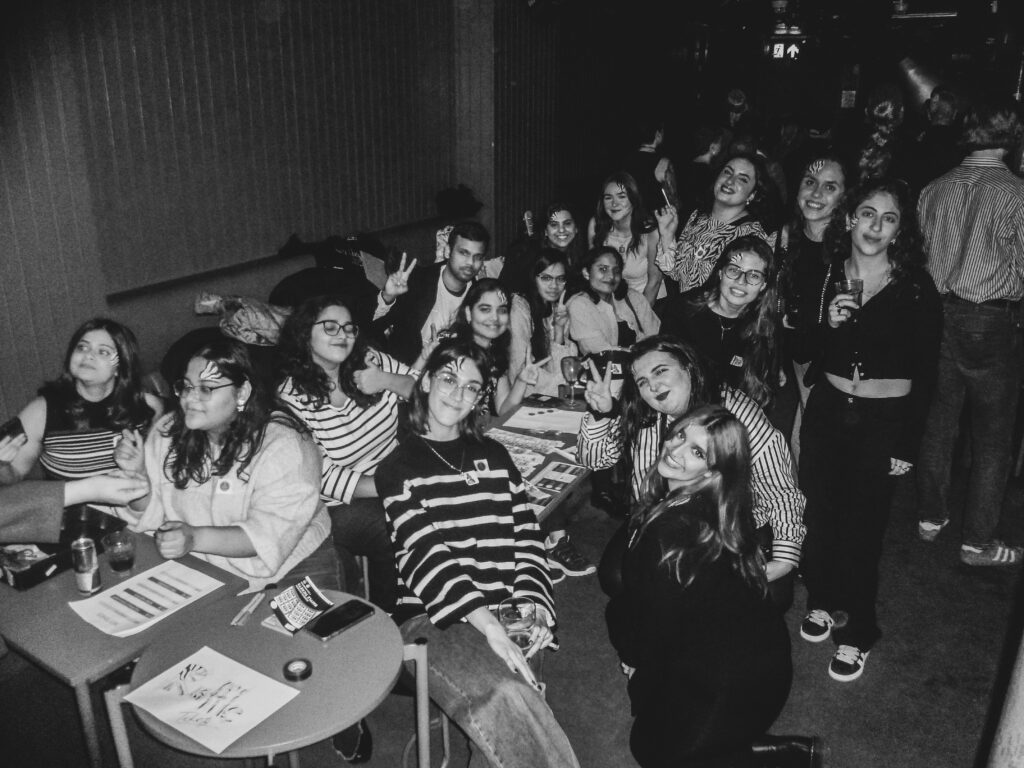
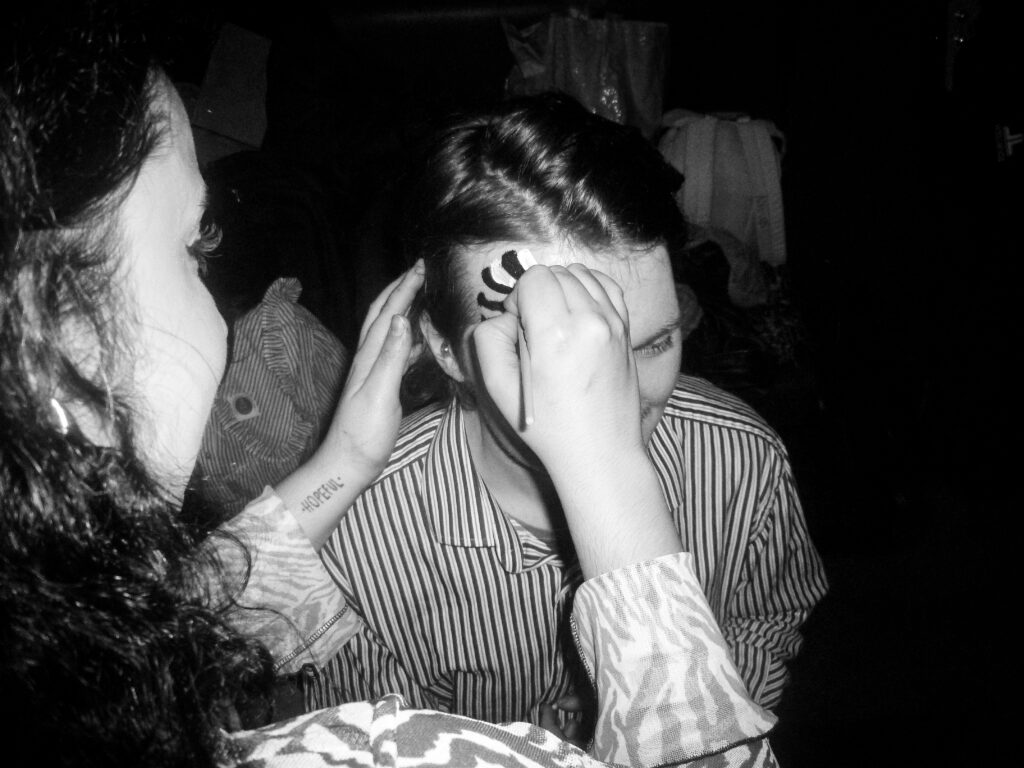
But I couldn’t do it alone. Friends from university and other parts of my life came together to help with tickets, face painting, leaflets, stickers and awareness activities. We also made our own signs and decorations.
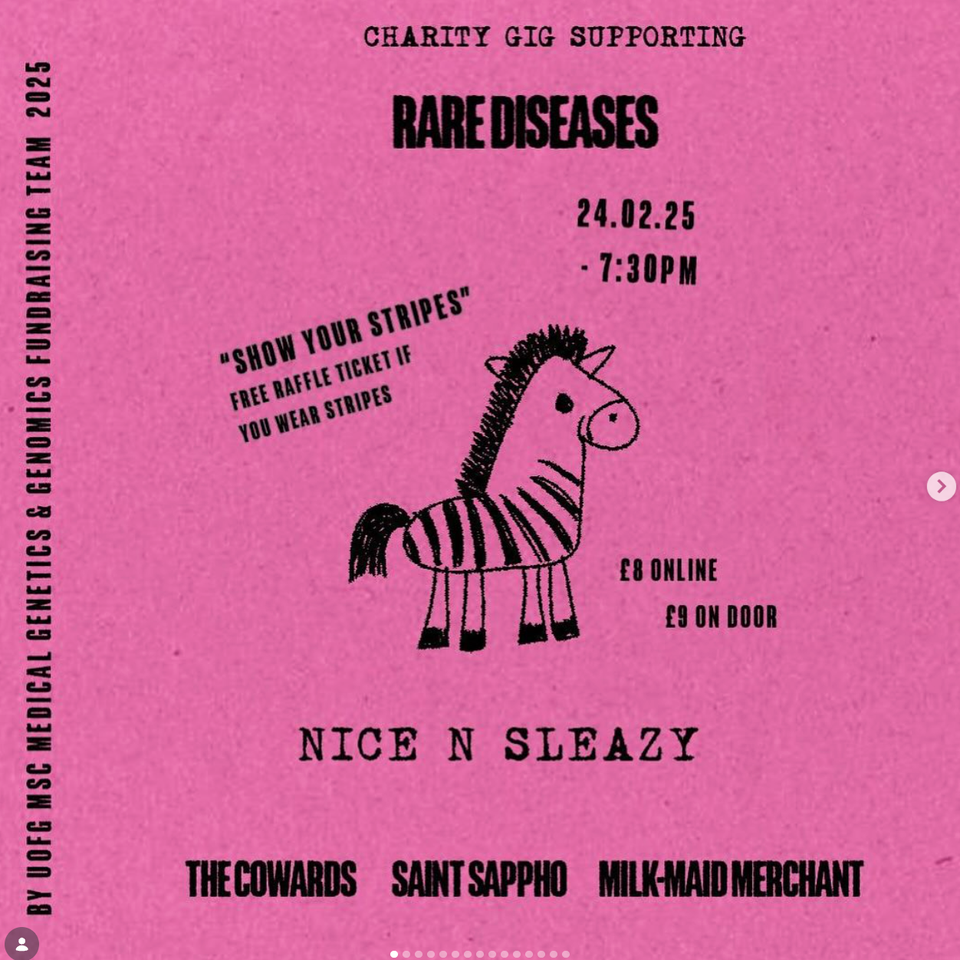
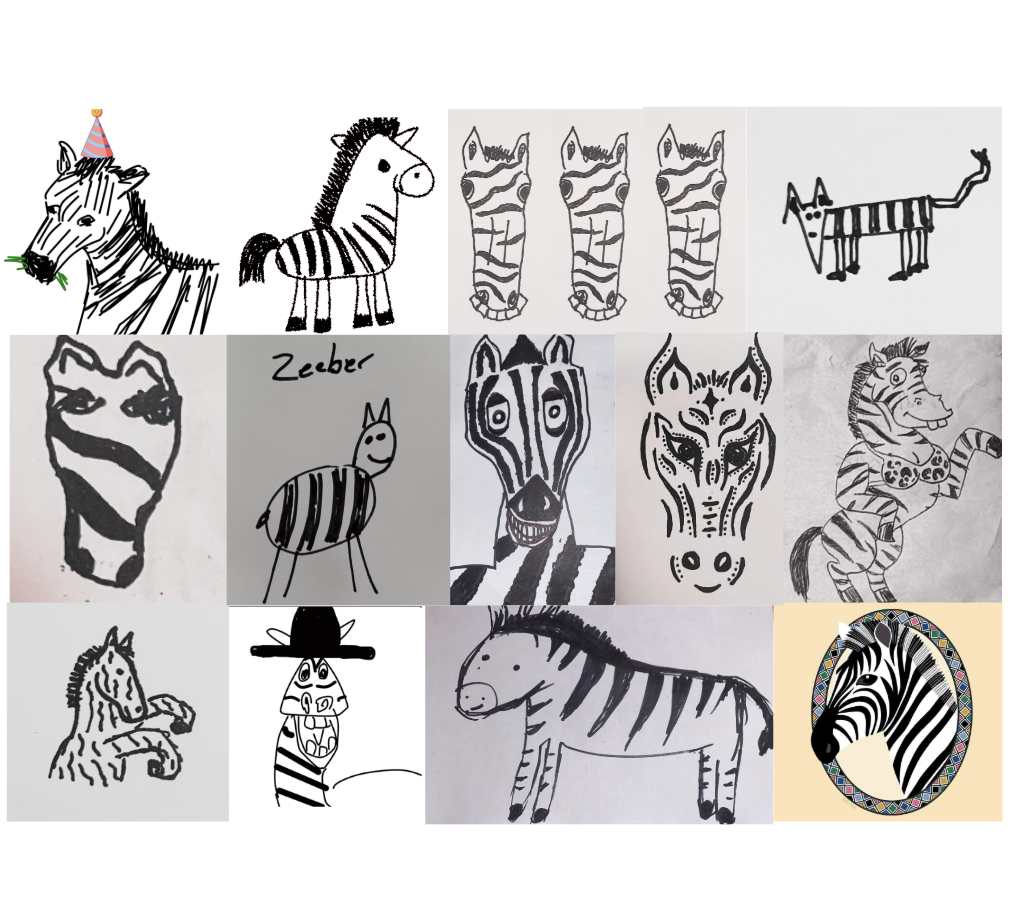
The zebra is a symbol of the rare disease community, inspired by the saying, “When you hear hoofbeats, think horses, not zebras.” While doctors are encouraged to consider common conditions first, for people with rare diseases, sometimes the zebra really is the diagnosis.
To bring this idea into the fundraiser, I asked each band to draw their own zebra, which we turned into stickers. Each one is uniquely different and creative and gets everyone involved in the event.
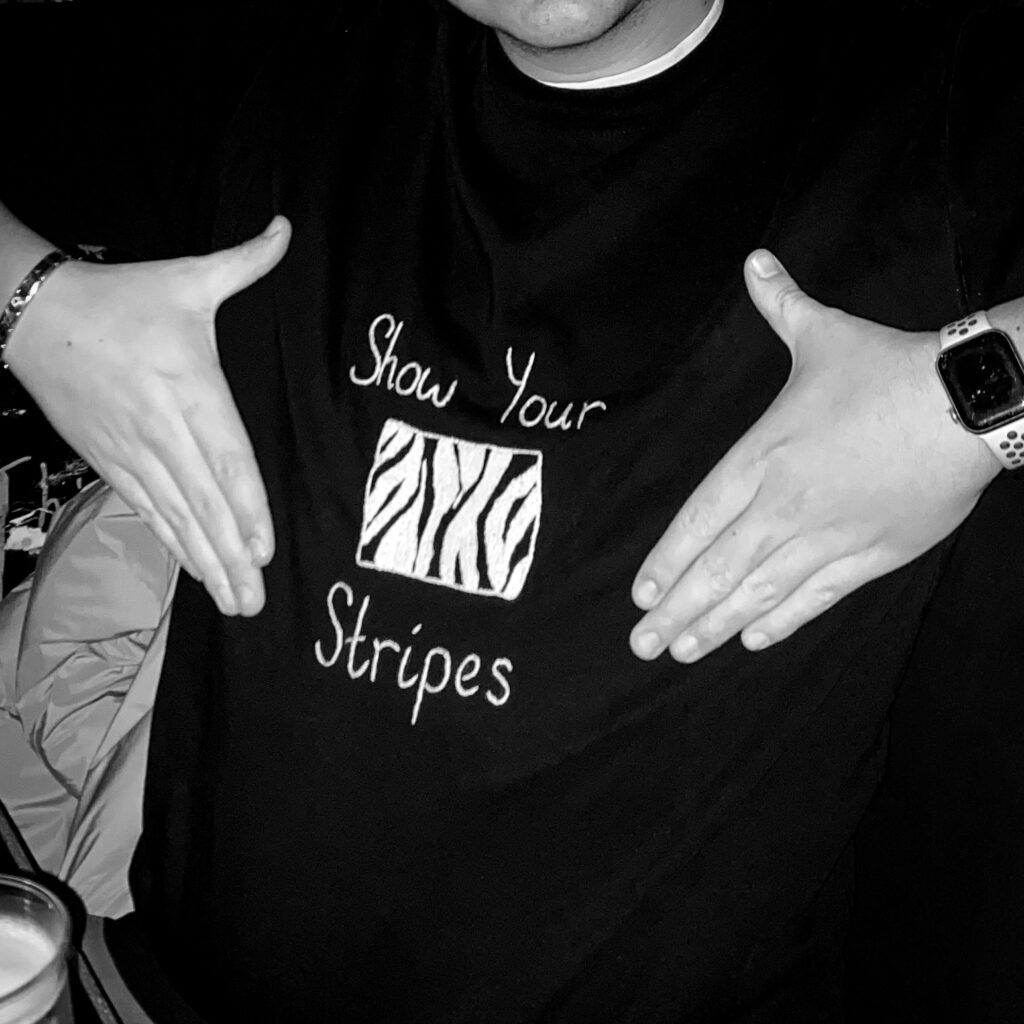
We have also worked with Faultline Designs to create a unique Rare Disease Day T-shirt, while local businesses, including Deans Delights and the bands, have donated raffle prizes, merchandise and tickets.
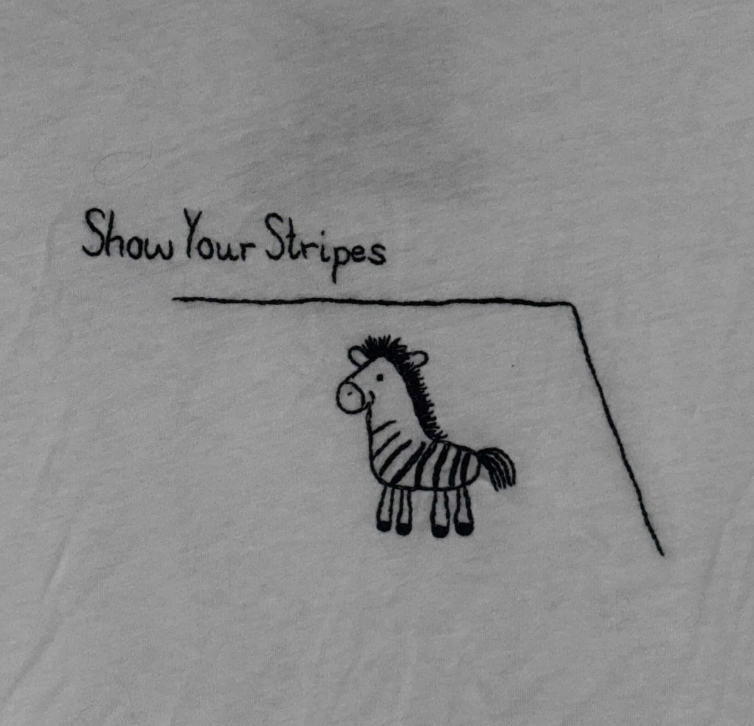
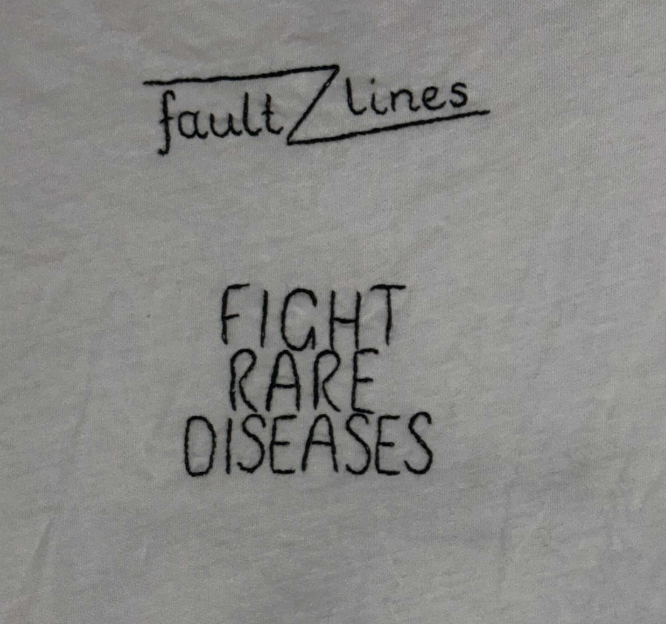
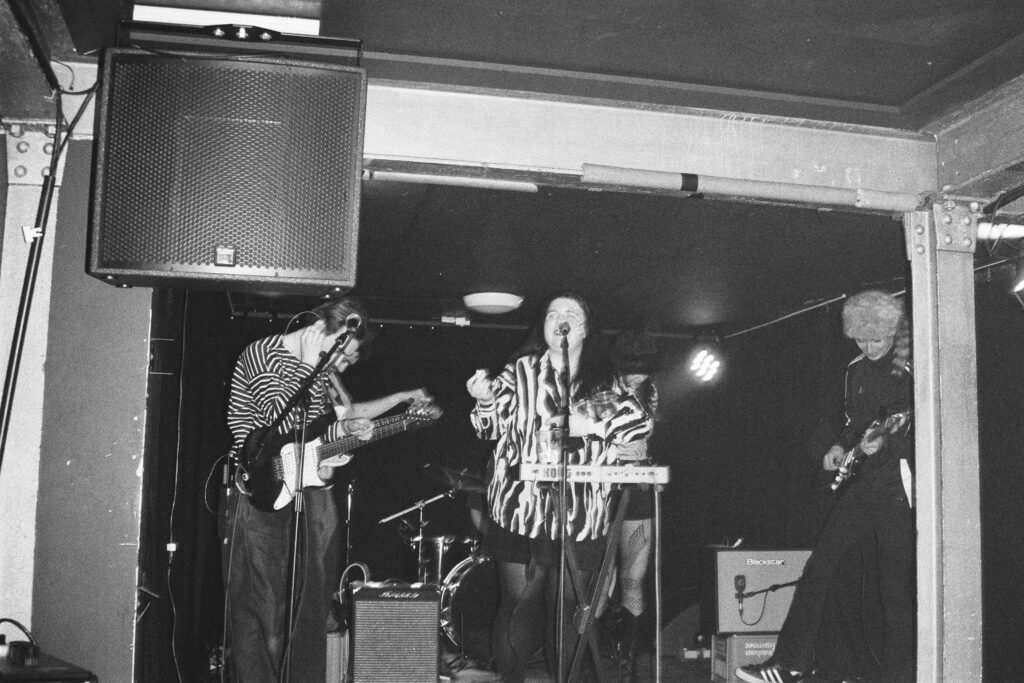
People want to help; you just have to give them a way to get involved. Two gigs, almost £1,100 raised. The first gig in 2025 at Nice N Sleazy, Glasgow, featured The Cowards, Saint Sappho and Milkmaid Merchant. It sold out and raised just under £600. Saint Sappho actually mentioned the gig during an interview with BBC Radio before the event and again after the event. They were speaking on their motivations and the charity.
I was genuinely worried that nobody would show up.
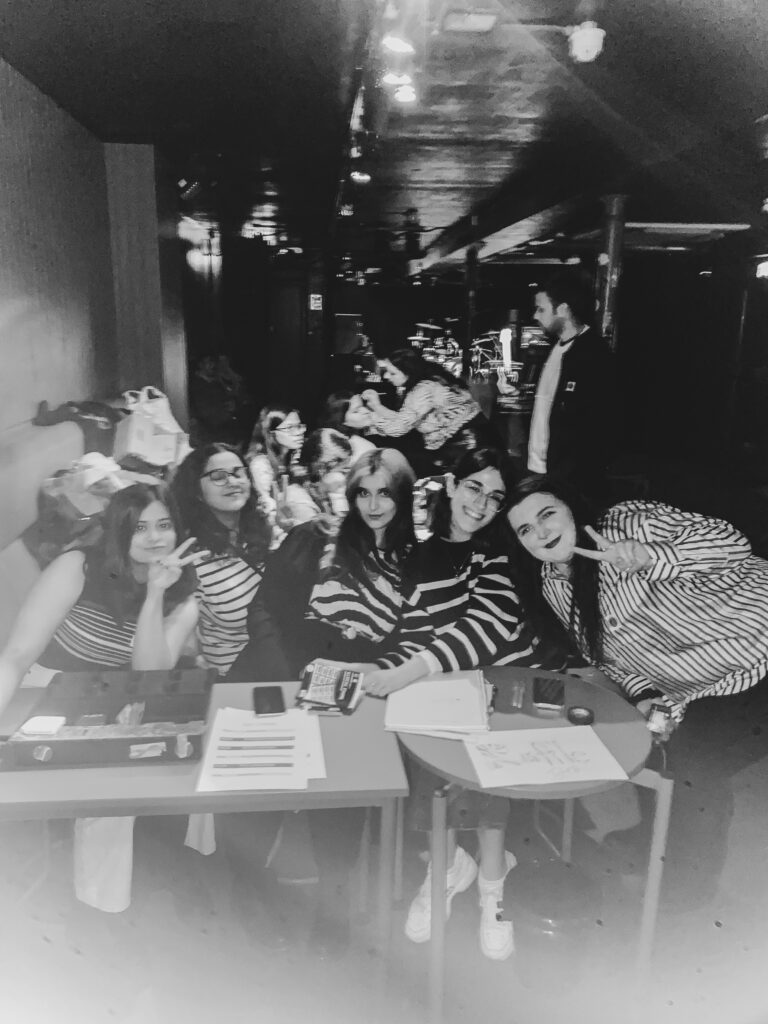
But those fears quickly disappeared. The venue filled with people wearing stripes, getting face paint and taking zebra stickers. Between sets, I spoke about rare diseases and what Medics for Rare Disease do.
“1 in 17 people are affected by a rare condition at some point in their lives.”
This statistic comes from the UK Rare Diseases Framework published by the Department of Health and Social Care.
I arranged for one in every 17 people entering the venue to receive a differently coloured entry stamp, representing the proportion of people affected by a rare disease. When on stage, I prompted those with a red stamp to raise their hand. Seeing those hands go up around the room turned a statistic into something tangible.
By the end of the night, people were coming up to me to say how much they had enjoyed themselves and encouraging me to organise another event.
So I did.
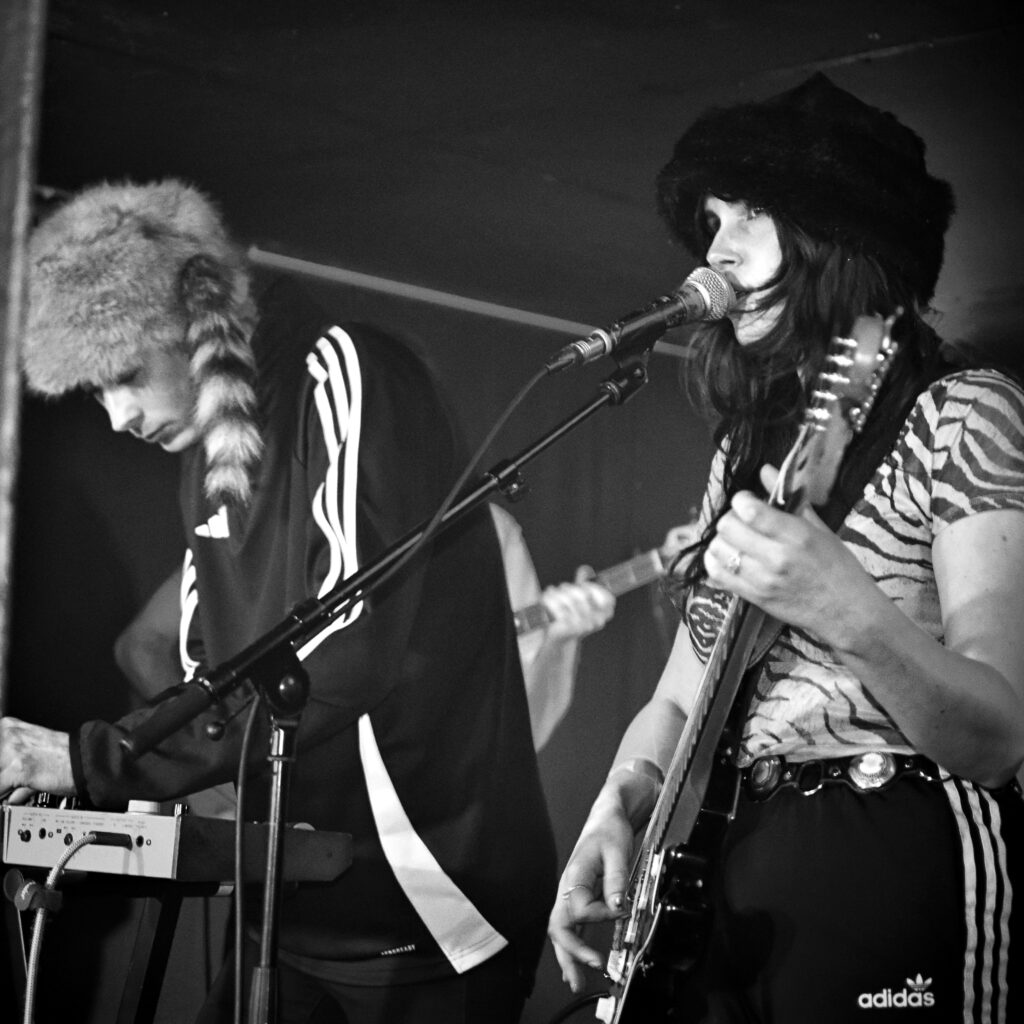
This year, Puppy Teeth, MedB, and the duo Jake Ewing and Livi Richmond-Ferns performed at 1990, Glasgow, raising just under £500. I really enjoyed how creative everyone involved is. I’m excited to see what happens next year!
More than the money
Across two events, we’ve raised almost £1,100, but the impact goes beyond the total.
At both events, people shared that they, or someone close to them, has a rare disease. Some of these were conversations I’d never had with those people before, after knowing them for years. Hearing these experiences has been one of the most meaningful parts of the fundraiser.
The impact also continues beyond the night itself. I’ll go to gigs and spot the fundraiser’s zebra stickers on laptops, monitors, synths and other equipment.
These small reminders make me realise that the fundraiser has created something that lasts beyond the money raised.
What I’ve learned
Fundraising doesn’t have to mean a sponsored run or a large campaign. If you love baking, bake. If you love running, run. If you love music, put on a gig.
Start with something you enjoy, choose a cause you care about and ask for help. Don’t underestimate local businesses, friends or your wider community. Most importantly, make it enjoyable.
I hope the Rare Disease Fundraiser Gig continues as an annual tradition while keeping what makes it special: local musicians, creativity, community and a good night out for a good cause.
Fundraising has become another way for me to contribute to the rare disease field beyond my academic and professional interests. It has taught me that raising money and raising awareness can happen alongside creativity, friendship and a really good night out.
Sometimes making a difference looks like a room full of music, people and zebras.
With thanks to everyone who helped make the gigs possible, including the bands, venues, volunteers, designers, local businesses, raffle donors and everyone who bought a ticket, shared the event or came along. 2025 volunteers (Olga, Sara, Aarya, Shravani, Medha, Nabila, Juhi, Kritika, Yashvanth); 2026 volunteers (Sara, Marina, Kritika, Emma, Rachael, Jack). Posters by Tammy Dyson, T-shirts by Bryony Robertson at Faultlines Design, and baked goods by Sarah Deans at Deans Delights.
Inspired to show your stripes?
As this story shows, fundraising doesn’t have to be complicated! Whether it’s live music, a bake sale, a creative project or something entirely different, you can turn something you love into something that makes a difference.
If you’re thinking about organising your own fundraiser, we’d love to support you.
Take a look at our Supporter Fundraising Guide for helpful tips on getting started, promoting your event and raising funds for Medics for Rare Diseases.
And don’t forget to share your fundraising photos and stories with us – we’d love to celebrate your efforts!
