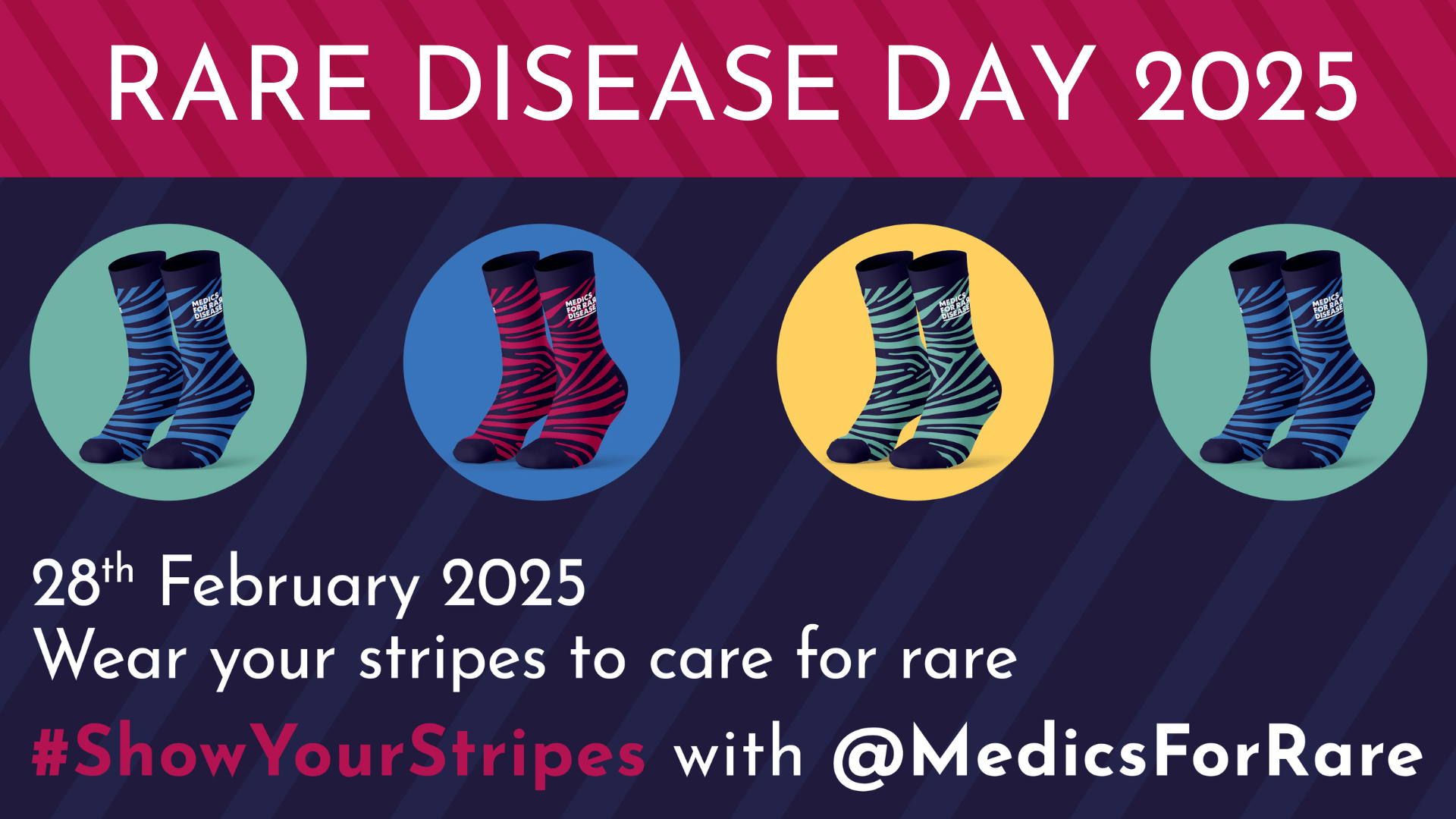
#ShowYourStripes for Rare Disease Day 2025
Calling all healthcare professionals… dig out your stripey socks and get ready to ‘show your stripes’ as we approach Rare Disease Day on 28th February. Medics for Rare Disease is […]

Calling all healthcare professionals… dig out your stripey socks and get ready to ‘show your stripes’ as we approach Rare Disease Day on 28th February. Medics for Rare Disease is […]
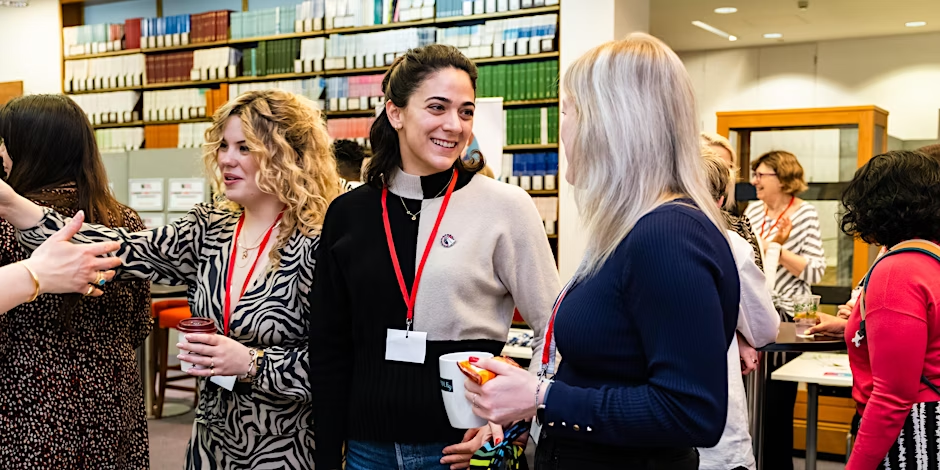
Monday 23rd June 9.30 - 4pm at Edgbaston Park Hotel. LIMITED PLACES - reserve your spot now! Welcome to the IAG2 Face to Face Meeting! Medics for Rare Disease has […]
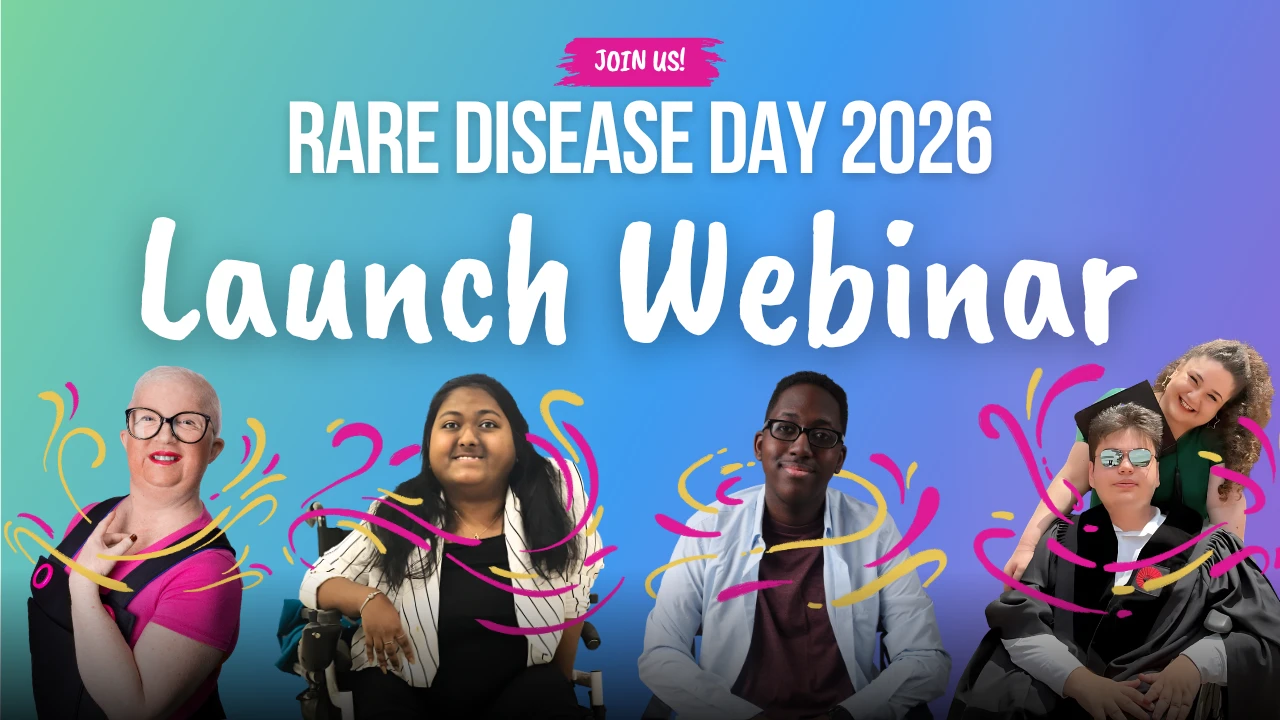
Join one of two upcoming webinars on either the 27 or 28 October for a first look at Rare Disease Day 2026! Learn more about the resources which have been […]
Join the upcoming Rare Disease Grand Round, hosted by the King’s Health Partners Rare Disease Network—bringing together researchers and clinicians across the region to foster collaboration, share insights, and advance […]

A Hybrid event celebrating DOERS who showcase their Collaboration - Outreach - Co-creation projects with impactful Outcomes. This is your chance to be part of a dynamic, hybrid gathering.
Thinking of running a Rare Disease event in 2026? Whether it’s a seminar, study day, or conference — this session is for you. Join Medics for Rare Diseases and our […]
Learn how to deliver engaging Rare Disease 101 talks with tips, resources, and insights from experienced ambassadors. Thinking of running a Rare 101 training session in 2026? Whether you’re planning […]

Co-hosted by Medics for Rare Disease and King’s Health Partners Rare Disease Network 📅 Date: Friday 6 March 2026 ⏰ Time: 12:00 – 16:45 📍 Location: Great Hall, King’s College […]
This interactive research development workshop brings together clinicians, academics, researchers and industry partners to explore how primary care can better support people living with rare diseases. Using neurofibromatosis type 1 (NF1) as an exemplar condition, the session will examine early recognition, diagnostic pathways, care coordination, and opportunities for research using routinely collected data and digital health tools. Participants will collaborate to identify evidence gaps and develop a patient-centred research agenda grounded in everyday primary-care practice.