
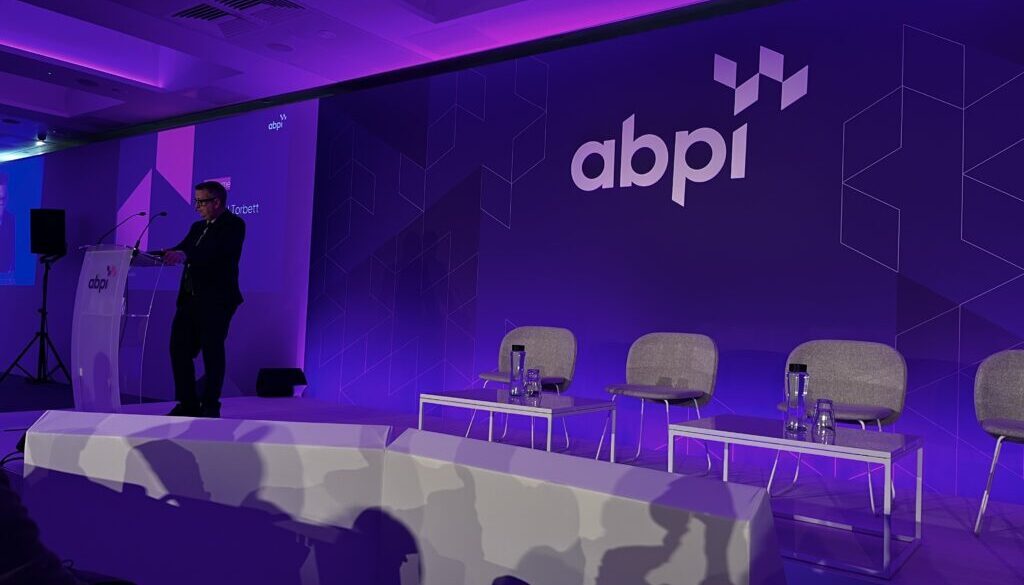
ABPI Annual Conference 2026: turning ambition into action
On 23rd April 2026 (tube strike day) I managed to navigate my way around London’s transport system to attended the ABPI Annual Conference representing Medics for Rare Disease. The conference brought together leaders from government, the NHS, industry and patient groups to discuss the future of UK life sciences. The overall message was clear: the sector is ready to move from broad ambition to practical delivery.
ABPI set the tone for the day by focusing on three main things: Health, Growth and Renewal. This helped steer the conference and kept everyone talking about the real challenges facing the sector. The discussions weren’t just about medicines policy in theory—they were about how the UK can actually make it easier to innovate, improve access, and build something valuable for the long run.
Moving from plans to action
One of the strongest points coming out of the conference was the need to turn the NHS 10 Year Plan into reality, certainly a very big question. This went beyond simply setting a direction. It required ensuring the system could genuinely deliver faster access to treatment, build stronger research capacity, and make better use of evidence.
Delays in access can impact patient outcomes, while innovations must be both affordable and practical for the NHS. Industry investment depends on confidence in the UK system, influencing decisions around trials and product launches. Although rare disease patients may not always find these issues directly relevant, the UK’s strengths—such as genomics, advanced therapies, patient advocacy, and academic excellence—are closely linked to the rare disease sector. Improving access to rare disease medicines could boost UK investment and benefit those living with rare diseases.
Delays in getting treatment can harm patients, and new medicines need to be affordable for the NHS. Companies invest in the UK when they trust the system, which affects where new treatments are tested and launched. Although rare disease patients may not always find these issues directly relevant, the UK’s strengths—such as genomics, advanced therapies, patient advocacy, and academic excellence—are closely linked to the rare disease sector Improving access to rare disease medicines could bring more investment and help people living with these conditions.
The conference also made it clear that growth and investment are part of the same conversation. Life sciences policy is now closely tied to the UK’s wider economic strategy, and that means predictability, pace and consistency matter more than ever.
Clinical trials and data
Another big theme was the UK’s clinical trials environment. The country has a strong reputation in research, but that position can’t be taken for granted. Faster approvals, smoother trial set-up and better coordination across the system are all needed if the UK wants to stay competitive.
Health data also came up as a key issue. Better use of health data can improve research, support decision-making and show how treatments work in the real world. That helps researchers and companies, but it also helps the NHS by supporting better planning and more informed choices.
There is a clear link between data, trials and access. A system that can generate and use evidence well is more likely to support innovation in a way that benefits patients and the health service.
Working together
The conference felt open and collaborative, not formal or defensive. It focused on working together. People discussed access, policy, and innovation, but the key message was simple: progress needs teamwork. Government, the NHS, industry, and patients all need to work together to make things better.
“Health, growth and renewal: delivering a shared agenda for the UK.”
That line captures the day’s practical mood. The UK has most of what it needs; the main challenge is improving collaboration. Not sure if I agree with the sentiment exactly.
Why it matters
The ABPI Annual Conference showed that the life sciences debate in the UK has matured. It is no longer just about whether the country supports innovation in principle. It is about whether the system can actually reward it, use it and scale it effectively.
That includes faster and fairer access to medicines, a stronger clinical trials ecosystem, better use of health data and a more stable environment for investment. These are not separate issues. They are connected parts of the same challenge: making the UK a place where innovation can translate into real patient benefit.
The message from London was straightforward: if the UK wants health, growth and renewal, it needs to turn shared ambition into real-world change. (And a transport system that works well for all!)

Sheela Upadhyaya is a Trustee for Medics for Rare Disease and a consultant with over 25 years of healthcare experience, specialising in rare diseases. She has worked internationally, integrating innovative therapies into the NHS and leading over 20 evaluations of rare disease treatments at NICE.