
Reflecting on the Celebratory Symposium on Childhood Rare Disease Research
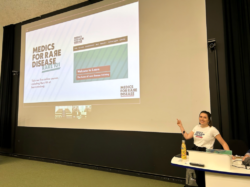
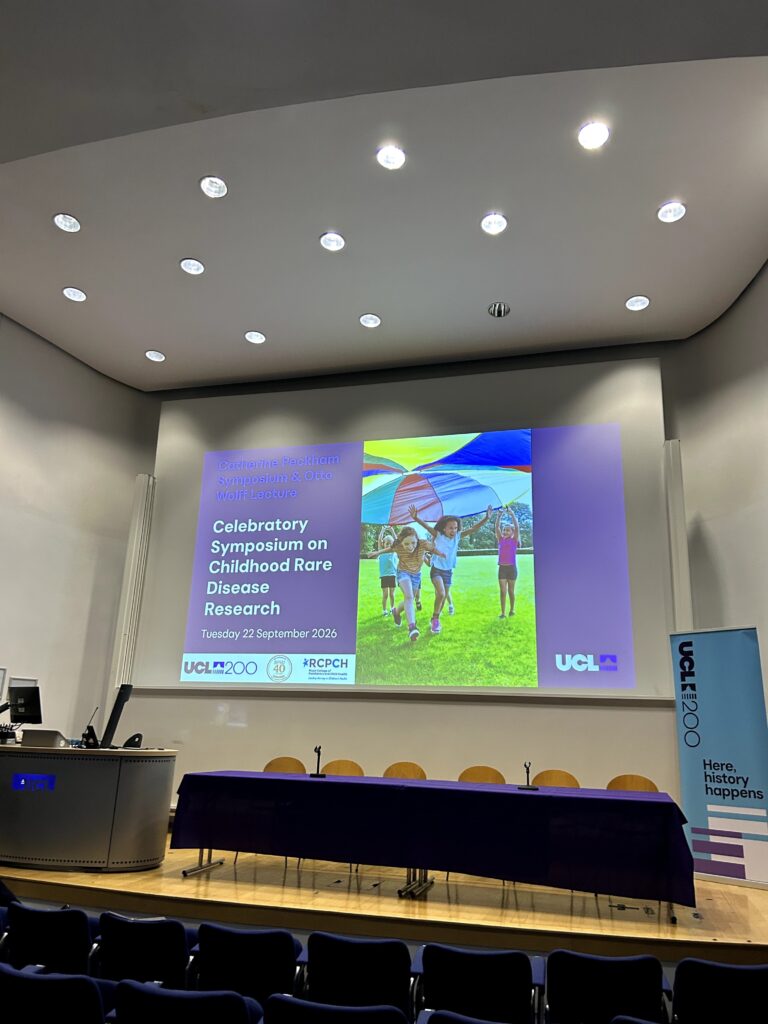
It was a pleasure to attend the symposium on childhood rare diseases, hosted at UCL Great Ormond Street Institute of Child Health. The event not only provided a valuable opportunity to share progress on the surveillance and research work being carried out for childhood rare disease but was also an opportunity to celebrate 200 years of UCL and 40 years of the British Paediatric Surveillance Unit (BPSU).
The importance of childhood rare disease surveillance
There were fascinating talks exploring the surveillance work carried out through the BPSU. This work plays an important role in informing healthcare, policy and ultimately helping to improve outcomes and care for children and families. With a keynote address from professor Elizabeth Elliott on the work that went into establishing the Australian Paediatric Surveillance unit and her vital advocacy work on inclusion of children living with rare conditions from disadvantaged backgrounds to ensure everyone has equitable access to care.
Rare disease affects the whole family
One session that particularly stood out to me was the work being carried out by Rare Revolution, who shared findings from their study exploring the impact of rare disease on siblings. The statistics were a stark reminder that rare disease affects the whole family, not just the person living with the condition. It highlighted the importance of holistic care and taking a whole-family approach when supporting children and young people with rare conditions. Read their impact study here.
It was also inspiring to hear about the work of Rare Youth Revolution, helping to ensure that young people living with rare conditions have opportunities to connect, share experiences and, importantly, never feel alone in their rare disease journey.
Growing demand for rare disease education
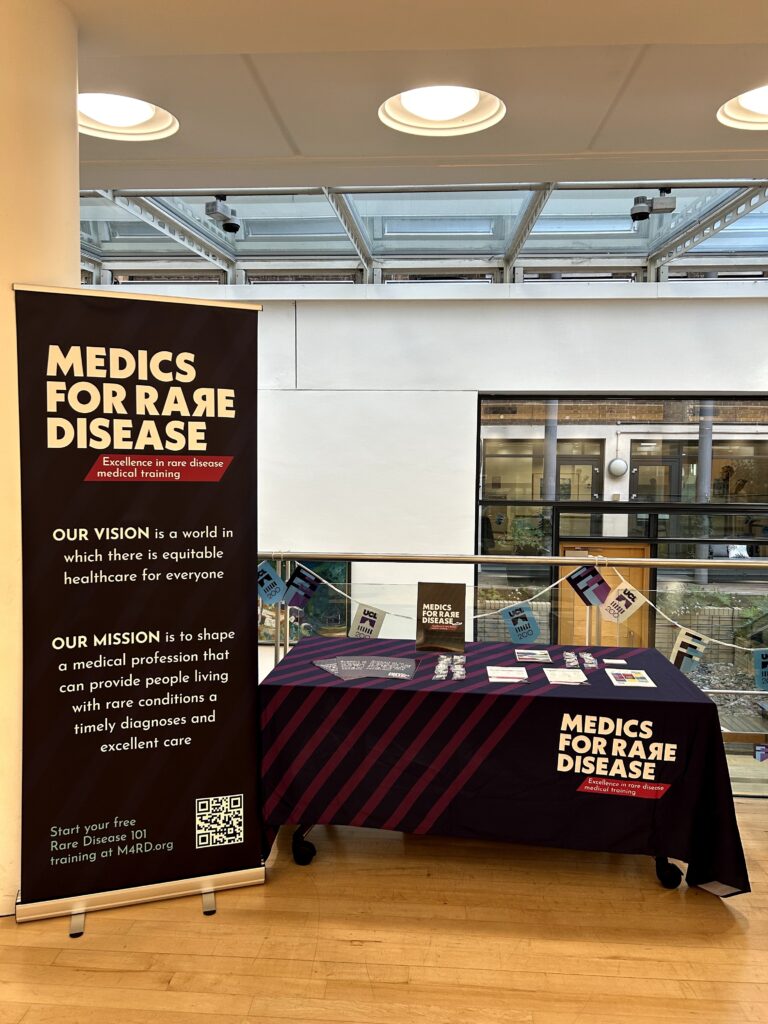
It was particularly fantastic to receive so many enquiries about our training from numerous healthcare trusts. Hearing directly from doctors about their desire for their colleagues to become more rare aware was incredibly encouraging. Even more importantly, hearing how this training has already influenced their practice and enabled them to provide better care and support for people living with rare conditions and their families was a real reminder of why this work matters.
It was also wonderful to meet so many students with a genuine interest and passion for learning more about the rare community and understanding how they can contribute to improving the lives of people affected by rare conditions.
Events like this are a powerful reminder of why we do what we do. To provide education and raise awareness so that people living with rare conditions can receive earlier diagnosis, better care and the support they and their families deserve. They give us that much-needed boost and reassurance that there is a real demand for education and that people want to learn, understand and make a difference.
Find out more about MfRD’s rare disease training and how we’re helping healthcare professionals become Rare Aware.