Impact Storytelling
Paying for Medicine
In 2010 I was offered a place at medical school! I had managed to secure a coveted place on the Graduate Entry Programme (GEP) at Barts and The London School of Medicine and Dentistry. A four year medical accelerator course for those who had already graduated from a health science degree. I was so happy and shocked given that the acceptance rate was about 4%. But after the news sunk in, I then had to work out how to pay for it.
I had already benefited from a student loan for my first degree (which I am still paying off to this day) so I had limited options there. Plus this time I knew I would have little opportunity to earn money during term time or between terms.
I had to find a way to financially sustain myself during the four years of study it would take to become a qualified doctor. My research led me to a local NatWest branch near Leeds. Here I discussed a personal development loan with a NatWest staff member. It would be given in stages during my studies only to be paid off when I graduated. This was my green light to accept my offer and finally realise my dream of going to medical school.
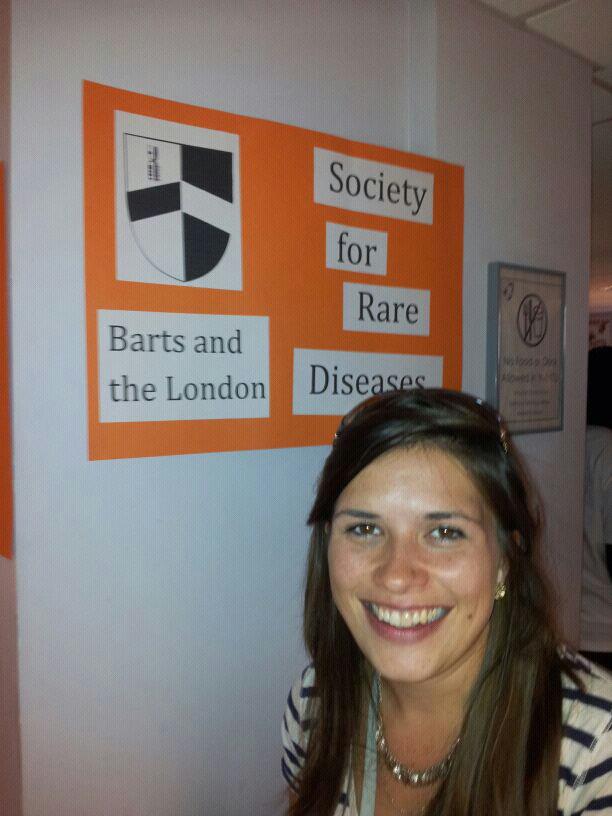
One of my major motivations to become a doctor was growing up alongside a patient advocacy group that supported people with a group of rare diseases known as MPS. My mum co-founded this group in memory of my brother who had died of the condition before I was born. During my childhood I had seen the extraordinary lengths clinicians would go to provide a better future for this community.
I witnessed the advent of genetic testing and then clinical trials for life-changing and life-saving treatments. After everything I had witnessed by being a part of this community I wanted to use my knowledge and experiences as a doctor. I think this helped me shine in my interview and received my place at medical school.
A change of course for greater impact
Sixteen years later and I am running a charity that I co-founded with other doctors, rather than practising medicine. This is because during my training I realised that the excellent understanding and care some patients with rare diseases experience are small pockets. Actually the norm for most people impacted by rare conditions is inequitable care that is stigmatised because of medical training that neglects the rare disease community.
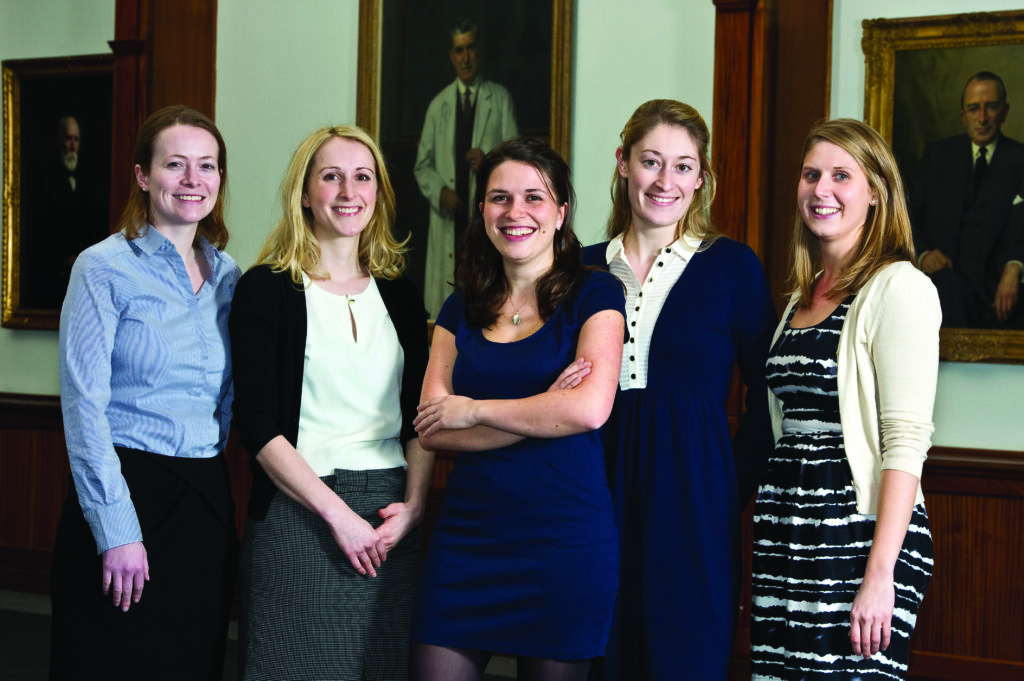
I co-founded Medics for Rare Disease to improve equity of healthcare for those impacted by rare disease. That’s approx 3. 5 million people in the UK – the same estimated prevalence of people who have had a cancer diagnosis. I knew that I could make a greater impact with my personal and professional experience from outside the NHS.
The NatWest SE100 Index 2026
This month Medics for Rare Disease has been named in the Top 100 UK Social Enterprise index by NatWest. The charity is shaping a medical profession that provides Rare Aware care. We don’t do this by teaching about 1000s of singular conditions but instead we platform the collective experience of the Rare community.
We support those impacted to tell their stories which often involve not being believed by doctors, a long diagnostic odyssey and uninformed healthcare.
So it’s even more rewarding to have Medics for Rare Disease named as a finalist for the impact story Teller Award. This award recognises organisations using storytelling and communications most effectively to support their mission.
Medics for Rare Disease’s Mission
We’re on a mission to shape a medical profession that can provide a timely diagnosis and equitable care to people living with rare disease.
One of the charity’s strengths, that enables it to pioneer, is its clarity of purpose. We know who our audience is (medical profession and their trainers) and the beneficiaries (those impacted by rare disease).
However we haven’t always been so effective at communicating this. Which meant that people knew about us, we were understood to do “impactful things” but still often were asked the question “what do you actually do?”.
In 2024, for the second time in my life, NatWest unexpectedly stepped in and cleared the way for success.
Milton Keynes Natwest Accelerator
My husband , who runs a small business, took part in a highly regarded accelerator programme for small and medium sized enterprises. The Natwest Accelerator provides workshops, masterclasses, expert advice and a community to enable entrepreneurs to grow their businesses. Also through mentorship it helps the individuals to understand their style, goals and to develop as a leader.
It was on his recommendation that I applied for the next cohort on behalf of Medics 4 Rare Disease (as it was known at the time). So, again I was set to go for an interview at a local branch of NatWest in Milton Keynes. I wasn’t sure how I would get on as the Accelerator was for commercial businesses. However, Michele D’ Souza who managed the Programme at the time in Milton Keynes saw the potential in the charity and myself.
We were accepted. The next 6 months shaped my life and the charity’s future.
An organisation sharing impact
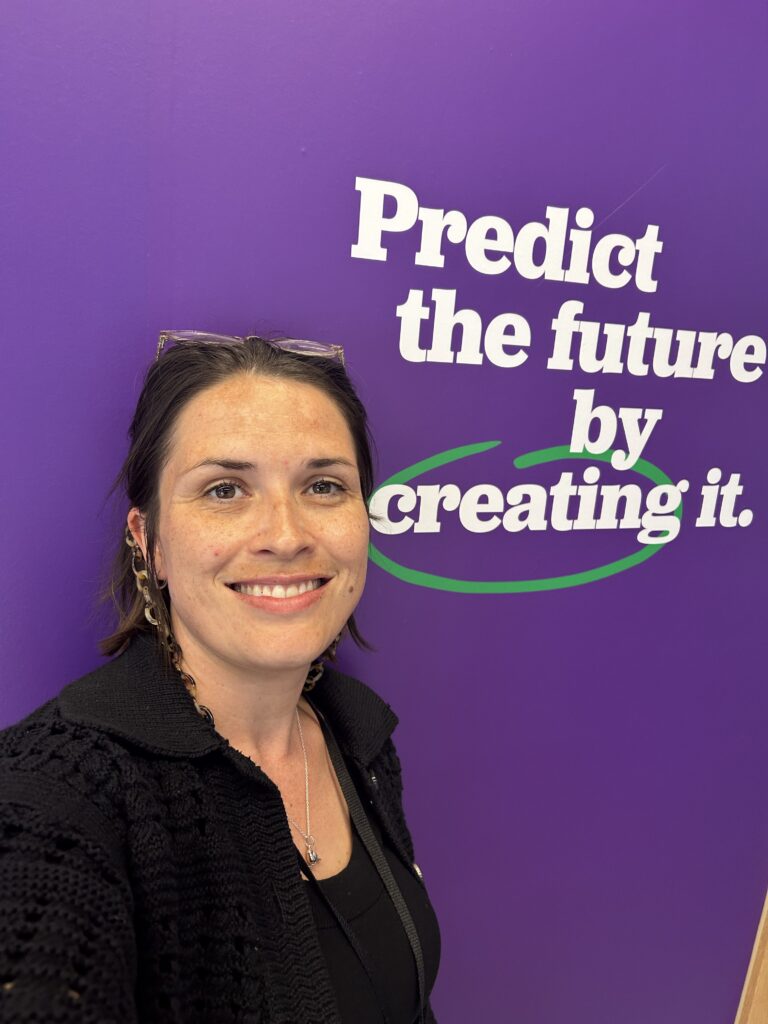
The NatWest Accelerator’s team of mentors and community taught me so much. I just ate it all up! From mindset coaching to designing systems with the expertise of the former Head of Customer Support at McDonald’s.
I learnt about the customer journey, the sales funnel and customer relationship management. One of the most impactful sessions I had was by the incredible wife and husband team at Spinks Creative (thank you Joss and Gemma).
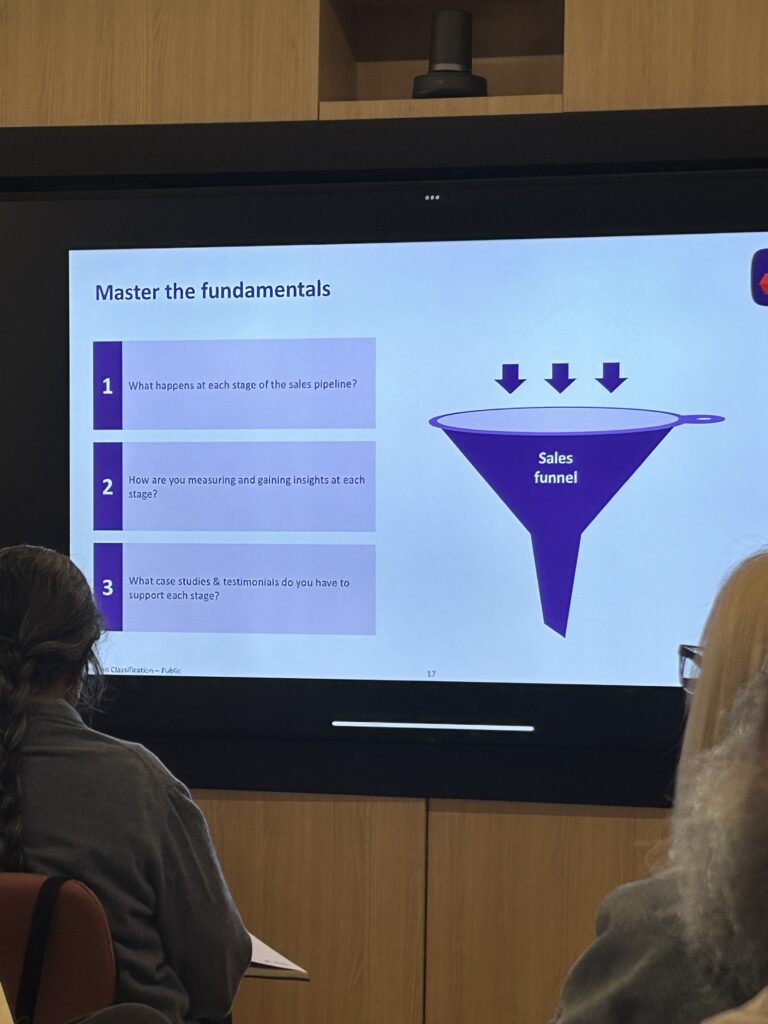
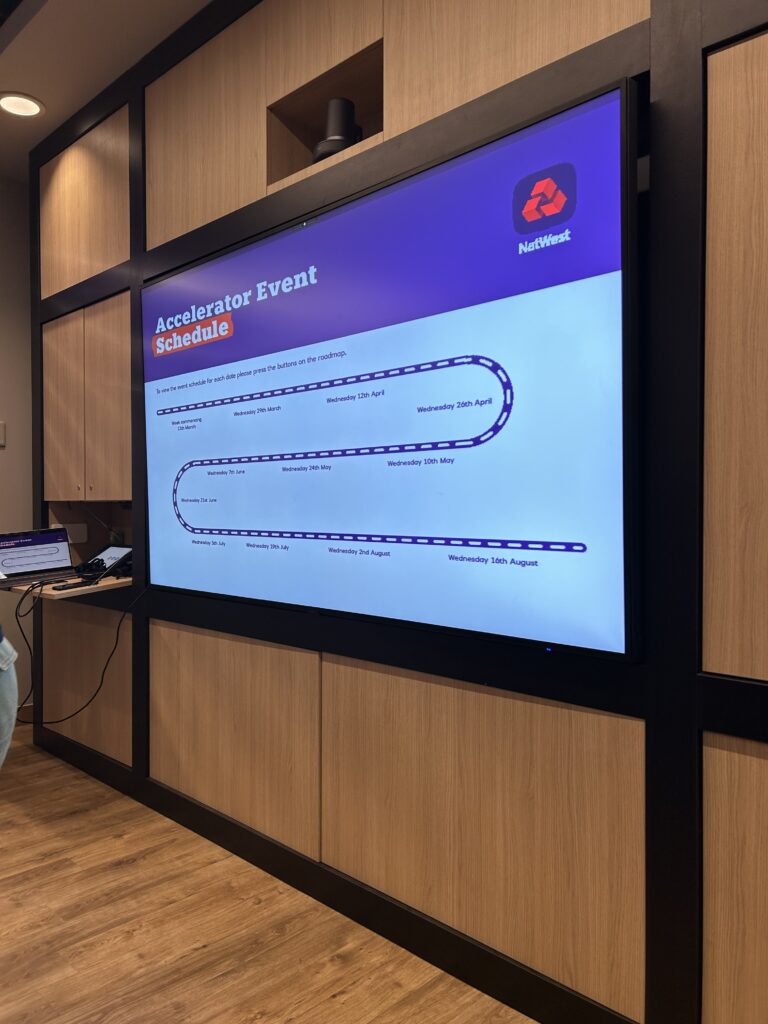
I took all of this expertise back to the team and the Trustee Board. By the end of 2024 we had a new, beautiful and cohesive brand. Plus a clear vision and mission statement to help drive us forward. Our strategy could be clearly communicated through our three pillars: Advocacy, Training and Network.
And all this clarity has filtered across everything in the charity: staff roles, the online filing system, our tone of voice for each audience, even the colour coordination of our merch!
Most importantly we can now show our impact. Something that is essential for a charity.
Public Benefit
Charities exist to benefit the public based on clear purposes. All charity resources belong to the public and those running the charity are duty-bound to use them astutely. Therefore it is essential that we show you, the public, how we have made an impact using these precious resources. This finalist award for Impact Storyteller demonstrates that all our efforts are coming to fruition. Which is rewarding in itself but also means we can keep building to ensure more of the public benefit from the work of Medics for Rare Disease.
With Thanks
Thank you to NatWest SE100 for considering our application and for recognising the work of this small charity. And to Debbie Lewis at the Milton Keynes NatWest Accelerator Hub for being our cheerleader!