
Too Young, Too Rare: What My PBC Diagnosis Taught Me About Flexibility, Complexity, and Care
Rare diseases are often defined as conditions affecting fewer than 1 in 2,000 people. Individually they are uncommon, but collectively they affect millions of people worldwide. Despite this, many people – like myself – only hear the name of their condition at the moment they are diagnosed.
My name is Taise Campbell. I’m 23 and I live with a rare disease called Primary Biliary Cholangitis (PBC).
PBC is a lifelong condition in which the immune system mistakenly attacks the small bile ducts in the liver. These ducts normally carry bile out of the liver. When they are damaged, bile builds up, leading to inflammation, scarring, and ongoing liver injury.
Like many rare diseases, there is no known cause and no cure yet. Treatment focuses on slowing progression and managing symptoms, and each person’s experience is unique.
An Accidental Diagnosis
In 2022, I was undergoing investigations for Postural Orthostatic Tachycardia Syndrome (POTS). The focus was on my autonomic symptoms: dizziness, fatigue and changes in heart rate – symptoms that had often been attributed to ‘stress’ or ‘anxiety’.
That Spring, I was finally diagnosed with POTS and underwent broader autoimmune screening. One of those blood tests revealed a positive AMA autoantibody. After further investigations, I was eventually diagnosed with PBC.
No one had been actively looking for liver disease. I went searching for answers about one condition, but what I found (by chance) changed everything. If I hadn’t already been in the healthcare system for another reason, I may never have had those tests, and likely wouldn’t have been diagnosed when I was.
That realisation stayed with me. Early rare disease diagnosis can depend heavily on circumstance and when there is no clear reason to look, conditions can remain hidden for years.
That sense of chance felt even more significant because of my age. I was diagnosed at 19, but the average age of PBC diagnosis is between 30 and 65.
One minute my biggest concern was starting university; the next, I was learning how to live with a chronic liver disease that is extremely uncommon in someone my age.
When You Don’t Fit the Expected Profile
Being a young person living with a rare condition can feel isolating. When you don’t fit the expected profile, being believed can feel harder. That can shape how comfortable you feel asking questions, seeking help, or advocating for yourself.
Recently, while watching the BAFTAs, I was struck by the acceptance speech for the short film ‘This is Endometriosis’. The winner, Georgie Wileman, spoke about how many women with Endometriosis spend years being told their pain is not real and how exhausting it is to feel disbelieved. Although she was speaking about endometriosis, the message resonated far beyond one condition.
Rare diseases (by definition) fall outside the expected. When symptoms do not fit textbook descriptions (or when patients don’t fit the typical demographic) there can be a subtle shift in how seriously those symptoms are taken.
Being believed should not depend on how closely someone matches a statistical norm. For people living with rare diseases, belief is not simply emotional validation. It is often the gateway to diagnosis, monitoring, and safe treatment.
When Treatment Isn’t Straightforward
Like many people living with a rare condition, I quickly learned that treatment is rarely straightforward.
In 2024, I experienced two drug-induced liver injuries: one from a standard antibiotic and the other from a second-line medication prescribed to help manage my PBC.
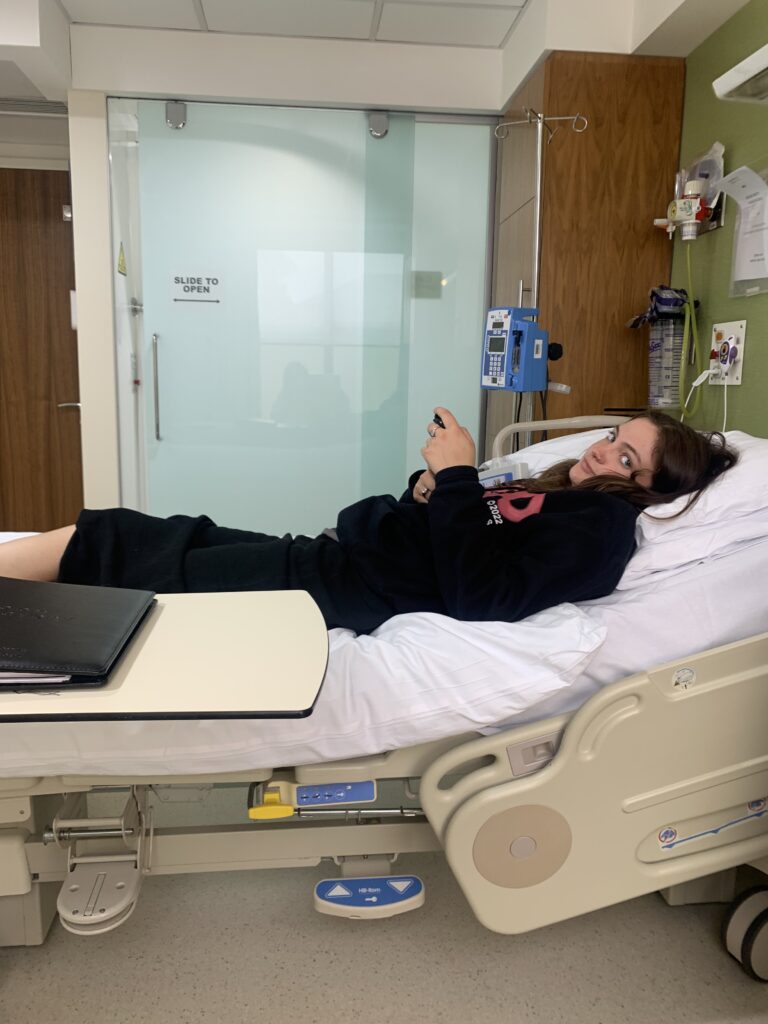
In both cases, my liver became so inflamed that I was admitted to hospital and referred for an urgent biopsy, as it appeared I might also have developed Autoimmune Hepatitis (AIH). Waiting to find out whether I had developed another serious chronic liver disease was frightening. What unsettled me most wasn’t frustration or blame, but the realisation that the medication meant to protect my liver had instead caused further damage.
That moment brought home how unpredictable rare disease care can be.
What is safe and effective for most patients does not always behave the same way for those living with rare conditions.
This reality demands careful monitoring, openness to uncertainty and the flexibility to change course when treatment isn’t working.
Why This Matters for Healthcare Education and Equity
That experience reshaped my understanding of rare disease care and revealed how fragile these pathways can be – from recognition, to diagnosis, to treatment. The issue often isn’t a lack of care, but about systems designed around what is common rather than what is rare.
For healthcare professionals, this is where education and equity intersect. Equitable care begins with recognising who the system wasn’t built for and understanding that no two rare disease journeys look the same. Each person’s presentation, risks, and response to treatment are individual and care needs to be flexible enough to reflect that.